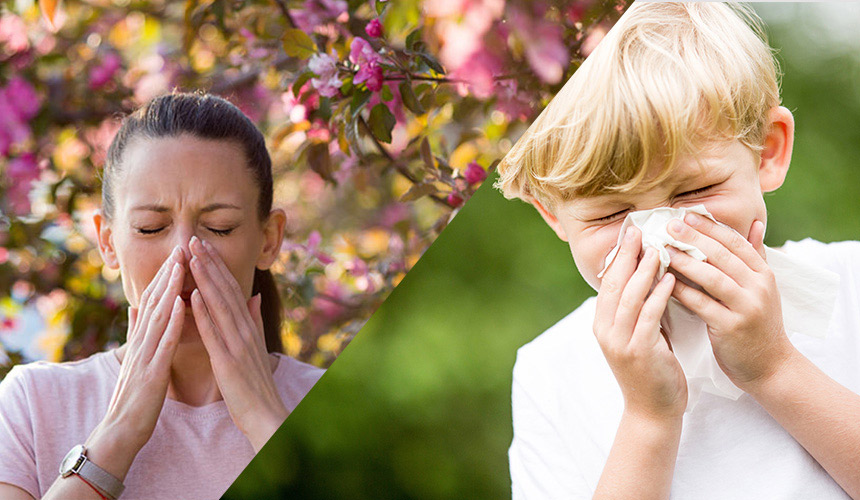
Spring allergies are among the most common types of allergic reactions and are mainly associated with pollen from plants, trees, and grasses. The increased concentration of airborne allergens during spring can trigger the immune system in sensitive individuals, leading to characteristic symptoms.
Symptoms of Spring Allergies
The most common symptoms include:
- sneezing and runny nose
- nasal congestion (stuffy nose)
- itching of the nose and eyes
- watery eyes and redness (allergic conjunctivitis)
In some cases, coughing, shortness of breath, or worsening of bronchial asthma may occur, especially in individuals with a relevant medical history.
Management and Prevention
Managing spring allergies involves a combination of preventive and therapeutic measures.
Key preventive measures include:
- limiting exposure to pollen, especially during morning hours and on days with high pollen levels
- keeping windows closed and using air filters
- washing the face and hair frequently and changing clothes after being outdoors
Medical treatment may include:
- αντιισταμινικά από το στόμα
- intranasal corticosteroids
- eye drops for ocular symptoms
In selected cases, allergen immunotherapy (desensitization) may be recommended.
When should I talk to a Doctor
Medical advice is recommended when:
- symptoms are severe or persistent
- there is no improvement with simple measures or medication
- sleep and daily activities are affected
- lower respiratory symptoms appear (wheezing, shortness of breath)
Individuals with a history of asthma or multiple allergies should be monitored by a healthcare professional for personalized treatment.
Early recognition and proper management can significantly reduce the burden of spring allergies and improve quality of life during the season.